




Yes, but only for certain projects. If your flip involves demolishing the existing structure and rebuilding from the ground up, you need a construction loan. If you're renovating a structure that's still standing, even a full gut job, you need fix and flip financing instead. The two are close cousins, both short-term and asset-based, but they're underwritten around different kinds of risk.
If you're staring at a distressed property and can't tell which category your project falls into, this guide breaks down exactly where the line sits, what each type of financing covers, how draws actually work, and how lenders evaluate a project either way.
When Does a Fix and Flip Project Need Construction Financing?
Most fix and flip projects don't need construction financing at all. Cosmetic updates, kitchen and bath renovations, even major systems work like new plumbing or electrical, all happen inside a structure that stays standing throughout the project. That's fix and flip territory, regardless of how extensive the interior work gets.
Construction financing comes into play when the scope goes past renovation. A teardown and rebuild, where you demolish an outdated structure and build new on the same lot, is a construction project even though your exit strategy looks identical to a flip: buy, improve, sell. The same applies to building on a vacant infill lot in a neighborhood where land is scarce but demand is strong, and to spec home building, where you construct a property on speculation in a supply-constrained market and sell at completion for a premium over comparable renovated resales.
The test isn't your business model or your exit plan, it's whether there's a structure left to renovate. No structure standing at the start of work means you're financing a build, not a rehab, and that changes both the loan type and the borrower qualifications a lender will expect.
What Is the Difference Between Construction Loans and Fix and Flip Loans?
A construction loan is short-term financing that funds a property's ground-up build, disbursed in stages as milestones like foundation, framing, and finish work are completed, rather than as one lump sum. Approval is based on the project's loan-to-cost (LTC) ratio and the builder's experience, since there's no existing structure to anchor the valuation.
Fix and flip loans are evaluated differently: purchase price, renovation scope, and the after-repair value of a property that already exists. The underwriting question is "what will this structure be worth once it's renovated," not "what will this project cost to build from nothing."
Real estate construction loans also carry a borrower requirement that fix and flip loans typically don't: you need to be a licensed general contractor or have demonstrated prior construction experience. Lenders financing a ground-up build want confidence the project will actually get finished on budget and on schedule, since there's no partially-completed structure providing collateral value along the way.
It's also worth knowing there's more than one way to structure construction financing itself, and the right one depends on what you're planning to do with the finished property:
- Ground-up hard money construction loan, short-term, asset-based, built for investors who want speed and flexible draws without income documentation. This is the structure most flip-style rebuilds use, since the goal is to sell shortly after completion.
- Construction-to-permanent loan, bundles the build phase and a long-term mortgage into a single closing, so you apply once and pay one set of closing costs. This fits investors or owner-occupants planning to hold the finished property long-term, not sell it.
- Stand-alone bank construction loan, a two-close structure, one closing for the build, a separate one for the permanent mortgage, typically underwritten on personal income (W-2s, tax returns) rather than the project itself.
Investors flipping a rebuild project almost always use the ground-up hard money structure. It's the only one of the three built around speed, asset-based approval, and a short hold period, which is exactly what a flip needs.
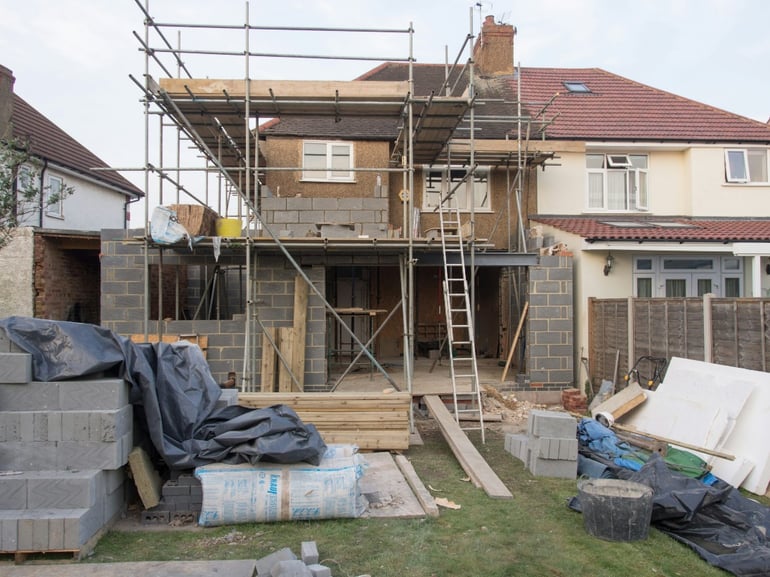
What Costs Can Financing Cover for a Fix and Flip Project?
Whether you're renovating or rebuilding, financing generally breaks down into a few categories.
-
Property acquisition
The purchase price of the property or lot, whether you're buying a distressed home to renovate or a teardown lot to build on. This is the starting point for total project cost in either scenario.
-
Construction and renovation costs
For a ground-up rebuild, this covers the full construction budget, foundation through finish work. Residential construction loans can fund up to 90% of total project cost, acquisition and build combined, so your own capital goes further on the deal and you're not tying up cash you could deploy on the next project.
-
Labor and materials
On construction loan financing specifically, funds release through a draw schedule tied to completed work rather than upfront. You submit a scope of work showing which line items are done, choose a self-inspection or a third-party inspection, confirm wire details, and funds are released the same day based on your percentage of completion. That structure means you're never carrying the full loan balance before the corresponding work exists.
-
Other eligible project costs
You pay interest only on the amount you've actually drawn, not on the full loan commitment, which keeps carrying costs down for as long as the project is underway. Each draw does carry a small wire fee and inspection fee, deducted from that draw's total, which is standard for milestone-based funding.
How Do Lenders Evaluate a Fix and Flip Construction Project?
-
Property and purchase price - For a rebuild, this includes the value of the lot itself, since that's often the only tangible collateral at the start of the project. Purchase price sets the baseline for total project cost whether you're renovating or building new.
-
Scope of work - Lenders want a clear, itemized plan before funding, and for a ground-up project that same scope of work becomes the operational checklist that triggers each draw as construction progresses. Vague or incomplete scopes slow down both approval and later draw requests.
-
Construction budget - Contractor-verified budgets carry more weight on ground-up projects, where there's no existing structure to absorb an unexpected cost overrun. A detailed, milestone-by-milestone budget also lines up with how draws get released, so it does double duty as both a financing document and a project management tool.
-
After-repair value - Whether you're rehabbing or rebuilding, the projected value of the finished property anchors how much financing the deal can support. On a rebuild, this estimate has to account for the fact that comparable sales are being built from a blank lot, not renovated from an existing shell.
-
Borrower experience and exit strategy - New construction loans generally require a licensed GC or documented building experience, a bar that fix and flip renovation projects don't set as high. Your exit, whether you're selling at completion or refinancing into a long-term mortgage, also shapes how the loan term and draw schedule get structured from the outset.
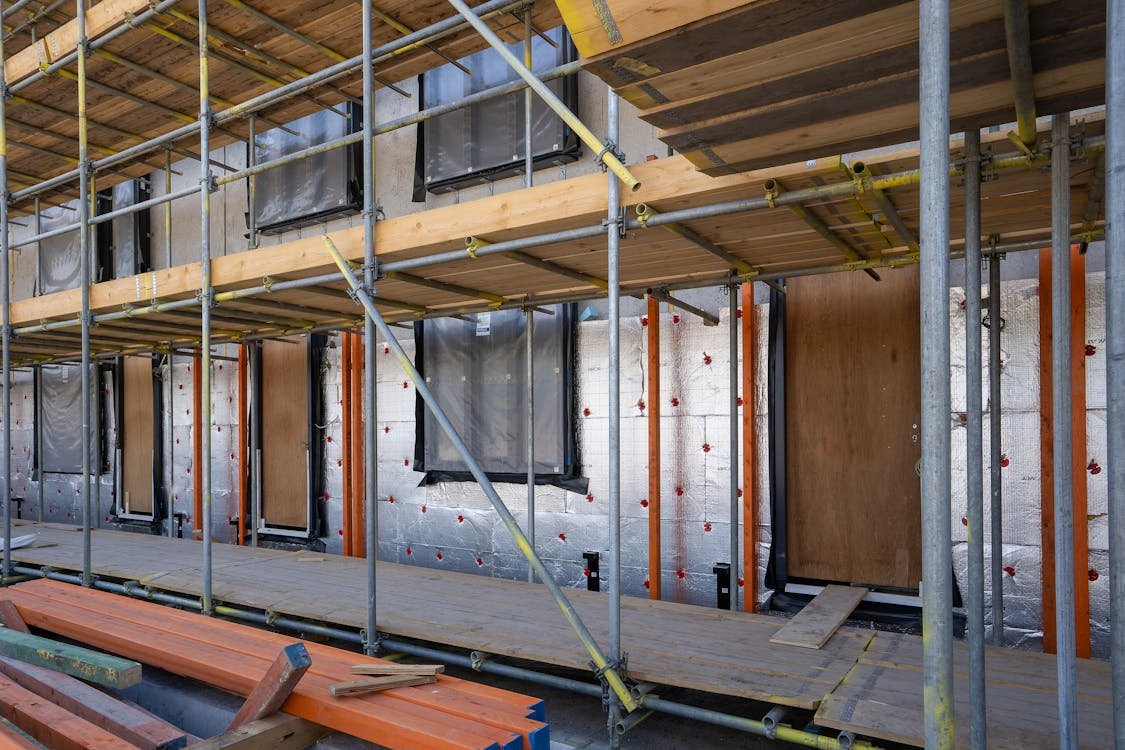
How to Choose the Right Financing for Your Fix and Flip Project
Start with what's physically happening to the property, not the label you'd put on the project. If the structure stays standing and you're improving what's inside it, fix and flip financing is the right fit, and you won't need a GC license to qualify. If you're tearing it down and building new, or building on a vacant lot toward the same buy-improve-sell goal, you're in construction loan territory, and you'll want a GC license or verifiable building experience before you apply.
There's also a middle path worth knowing about if you're planning to scale past a single project: build-to-rent. If you're building new construction with the intent to hold it as a long-term rental rather than sell, you can use construction financing for the build phase, then transition into a separate rental loan once the property is complete, rather than trying to force a flip-style exit onto a hold strategy.
We offer both fix and flip and construction financing, so if your project sits in a gray area, a partial teardown, or a rebuild you're unsure how to classify, our team can walk through the scope of work with you and point you to the right structure before you submit an application. Pre-approval on construction financing takes 24–48 hours, so you can lock in financing certainty before you finalize a lot purchase or sign a contractor agreement.
FAQs
Can you use a construction loan for a fix and flip?
Only when the project involves a teardown and rebuild or a ground-up build on a vacant lot. Renovating an existing structure, even extensively, is financed as a fix and flip loan instead.
What's the difference between construction loans and fix and flip loans?
Construction loans fund building a property from the ground up and require contractor experience. Fix and flip loans fund renovating a property that's already standing, based on purchase price and after-repair value.
Do I need a contractor license to get construction loan financing?
Yes. Borrowers need a GC license or demonstrated prior construction experience, since the lender is financing a build with no existing structure to fall back on.
How are construction loan funds released?
In staged draws tied to verified, completed milestones. You submit a scope of work, choose an inspection type, and funds release the same day based on your percentage of completion.
Can one loan cover both the lot purchase and the build?
Yes. Residential construction loans can fund up to 90% of total project cost, combining acquisition and construction into a single financing package.
What if I'm building to hold as a rental instead of selling?
That's a build-to-rent strategy. You'd use construction financing for the build phase, then transition into a separate long-term rental loan once the property is complete and tenanted.