



Every real estate deal you look at is really asking you one financing question first: are you in and out fast, or are you holding for the long haul? Get that wrong, and you're stuck with a loan structure that fights your strategy instead of supporting it.
You don't need to be a lending expert to make this call. You just need to understand what separates short-term financing from long-term financing, and which one actually fits the deal in front of you.
What Makes a Loan Short-Term or Long-Term
The label isn't about the lender, it's about your exit. A short-term loan is built around a defined finish line: you sell, refinance, or stabilize the property within months, not decades. A long-term loan is built around holding the asset and generating income from it year after year.
That single distinction drives almost everything else about the loan:
- How the loan term is structured (months vs. decades)
- How your payments work (interest-only vs. fully amortizing)
- How you qualify (project economics vs. property income)
- What happens when the loan matures (you exit, or you keep collecting rent)
If you're a first-time investor comparing real estate investor loans USA-wide, this is the framework to start with before you even look at rates or fees. Ask yourself what the property looks like on day one of ownership versus what you plan to do with it 12 months later.
Short-Term Loan Options for Real Estate Investors
Short-term financing is designed around a project, not a permanent hold. These loans are typically interest-only, close fast, and are priced around the deal's numbers rather than your personal financial history.
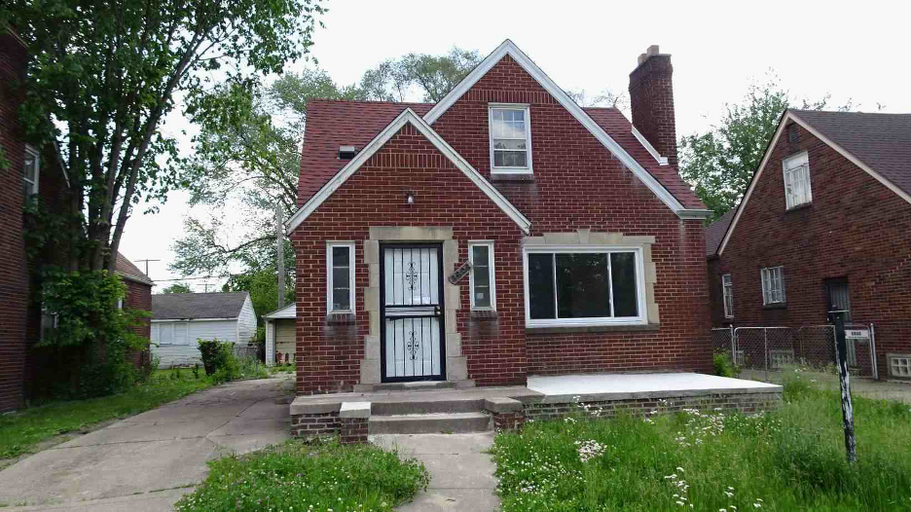
Fix and flip loans are the clearest example. You're buying a distressed or undervalued property, renovating it, and selling within roughly 12 to 18 months. Approval is based on the property's after-repair value (ARV) and renovation scope, not your income documentation. These loans can cover a large share of both the purchase price and the rehab budget, with funds released as work progresses.
New construction loans work on a similar short-term logic, just applied to ground-up building instead of renovation. Funds are released through a draw schedule tied to construction milestones, and the loan is designed to carry you through the build, not beyond it.
Multifamily bridge loans serve the same purpose for apartment buildings. If you're acquiring a 5+ unit property that's distressed, underoccupied, or otherwise not yet stabilized, a bridge loan gets you through acquisition and repositioning. These are interest-only, close quickly, and are meant to be replaced by permanent financing once the property is performing.
What ties these together: none of them are meant to be your last loan on the property. They're the bridge to your exit, whether that's a sale or a refinance into something long-term.
Long-Term Loan Options for Real Estate Investors
Long-term financing flips the logic. Instead of racing toward an exit, you're locking in stable terms so the property can generate income for years.
Single family rental (SFR) loans are the go-to here for buy-and-hold investors. These are typically structured with 30-year fixed terms and qualified using DSCR (Debt Service Coverage Ratio), meaning the property's rental income, not your W-2 or tax returns, is what determines approval. This makes SFR loans especially useful for self-employed investors and anyone scaling a rental portfolio beyond what conventional lenders will finance.
Multifamily term loans are the long-term counterpart to a bridge loan. Once an apartment building with 5 or more units is stabilized, with steady occupancy and a track record of income, a term loan lets you finance the acquisition, refinance an existing loan, or pull cash out based on the property's Net Operating Income (NOI). There's no fixed exit date baked in the way there is with a bridge loan; the goal is to hold and let the property compound in value.
Both of these products share the same underlying logic as their short-term counterparts: they're asset-based, so you're not chasing down years of tax returns to qualify. The difference is that the underwriting is built around sustained performance rather than a single project timeline.
Short-Term vs. Long-Term: Key Differences to Weigh
Once you line short-term and long-term options up side by side, a few differences stand out consistently.
- Loan term: Short-term products typically run 12 to 24 months. Long-term products, like a 30-year SFR loan, are built for a decade or more.
- Payment structure: Short-term loans are usually interest-only. Long-term loans can be fully amortizing, spreading principal and interest across the full term.
- Qualification basis: Short-term loans lean on the deal itself, purchase price, renovation or construction scope, and ARV. Long-term loans lean on ongoing property income, using DSCR or NOI.
- What happens at maturity: A short-term loan needs an exit, sale, refinance, or stabilization. A long-term loan is designed to simply keep performing until you decide to sell or refinance on your own timeline.
- Best-fit strategy: Short-term financing fits flips, ground-up builds, and value-add repositioning. Long-term financing fits buy-and-hold rentals and stabilized apartment buildings.
None of this means one type is "better." They're built for different jobs. The mismatch happens when investors try to force a short-term product into a long-term hold, or vice versa.
How to Choose the Right Loan for Your Strategy
Start with your exit, not your loan preference. A few questions can point you in the right direction:
- Do you plan to sell within the next year or two? If yes, you're likely looking at short-term financing built around your project timeline.
- Is the property already generating (or about to generate) stable rental income? That's a signal you may be ready for long-term financing.
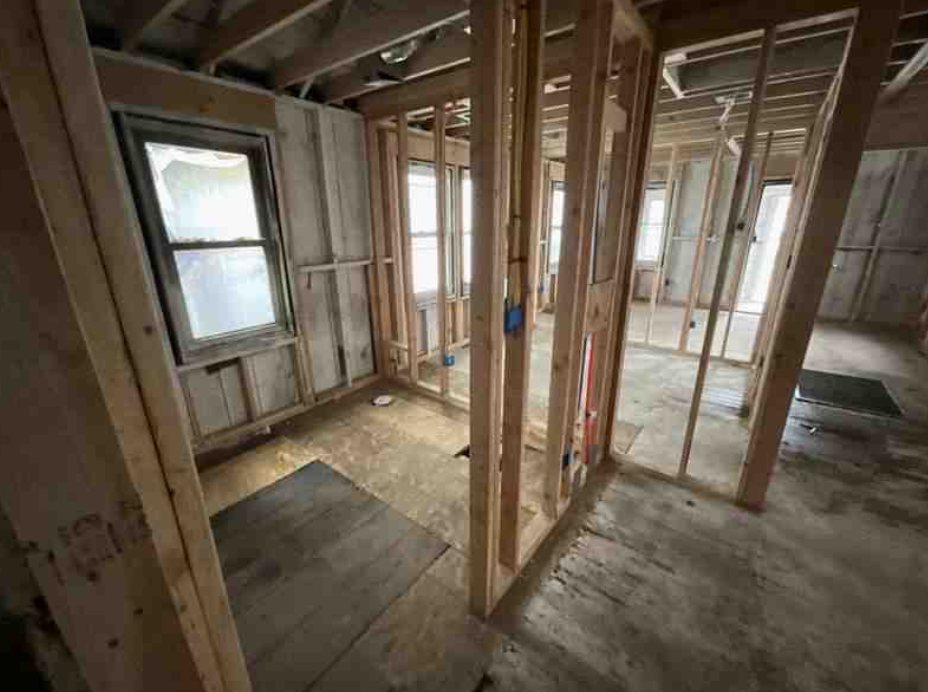
- Is the property distressed, vacant, or under construction right now? Short-term financing usually gets you through that phase before you transition to something permanent.
- Are you trying to preserve cash flow while you renovate or build? Interest-only short-term structures can help with that.
- Are you building a portfolio you intend to hold for years? Long-term, income-qualified financing tends to make more sense as you scale.
Plenty of experienced investors use both, in sequence. You acquire and renovate with a short-term loan, then refinance into a long-term product once the property is tenanted and stabilized. That's not a workaround; it's simply how the financing lifecycle is designed to work.
Matching Your Deal to the Right Loan Type with InstaLend
We built our loan programs around exactly this short-term and long-term split, so you're not trying to squeeze one product into every strategy.
On the short-term side, our fix and flip loans, new construction loans, and multifamily bridge loans are all asset-based and close in as little as 7 to 14 business days, with no income verification required. You're not waiting on a bank's timeline while your deal sits exposed.
On the long-term side, our single family rental loans give you 30-year fixed terms qualified on the property's rental income, and our multifamily term loans finance stabilized apartment buildings based on NOI rather than your personal financial history. Both are built for investors who want predictable, lasting financing once a property is performing.
If your strategy spans both phases, acquire and renovate, then hold, you don't need to shop around mid-deal. As real estate investment lenders, we work with investors through the full lifecycle: fund the short-term project, then transition into long-term financing once the property is ready to carry itself. That's the advantage of working with private lenders for real estate investors who understand how these strategies actually connect, rather than treating each loan as a one-off transaction.
Whether you're weighing your first flip against your first rental, or you're an experienced operator deciding how to structure your next acquisition, the right starting point is always the same: know your exit, then match the loan to it. From there, exploring instalend.com's lending products is a good next step to see which structure fits the deal you're looking at right now.
Frequently Asked Questions
1. What is the difference between a short-term and a long-term real estate investor loan?
Short-term loans are designed for projects with a defined exit strategy, such as a property sale, refinance, or stabilization, typically within 12 to 24 months. Long-term loans are designed for buy-and-hold investments, with repayment structures that support ongoing rental income and long-term ownership.
2. Which loan type is best for a fix and flip project?
Fix and flip projects are generally best suited for short-term financing because the goal is usually to renovate and sell the property within a relatively short period. These loans are commonly structured around the property's value-add potential and project timeline rather than long-term rental income.
3. When should an investor switch from short-term to long-term financing?
Many investors refinance into long-term financing after a property has been renovated, leased, or otherwise stabilized. Once the property is generating consistent income, products such as single-family rental loans or multifamily term loans may provide more suitable long-term financing options.