




Real estate investor loans for renovation and construction are short-term, asset-based loans that fund the purchase and improvement of a property, or the ground-up building of a new one. You repay them when you sell the finished property or refinance into long-term financing.
If you're planning a rehab or a build, the right loan can shape your budget, your timeline, and your profit. This guide explains how these loans work, which properties qualify, how funds cover project costs, and how renovation financing differs from new construction financing.
What Are Real Estate Investor Loans for Renovation and Construction?
They're loans designed around a project, not a paycheck. The lender looks at the property, your plan, and the numbers instead of relying mainly on your personal income.
Here's the basic split:
- Renovation loans fund the purchase of an existing property and the work needed to improve it. Think cosmetic updates, full gut rehabs, or repositioning an older building.
- Construction loans fund a new build from the ground up, from foundation to finish.
Both share a few traits:
- Short terms. They cover the project period, not decades.
- Asset-based review. The property's value, and its value after the work, carry the most weight.
- Staged funding for the work. Money for improvements is often released as work is completed.
- A planned exit. You sell, or refinance into long-term financing.
Private lenders for real estate investors tend to focus on these project-based factors, which is one reason investors turn to them when banks move too slowly or won't finance a property in poor condition.
How Investors Finance Renovation and Construction Projects
Most investors finance these projects in four stages: acquire, improve, stabilize or list, and exit. The loan structure supports each stage.
1. Acquire. You buy the property, or the land if you're building. Speed matters here, especially when sellers favor buyers who can close without delays.
2. Improve or build. Funds for the work are typically released in stages as milestones are completed, such as demolition, framing, mechanical systems, and finish work. This protects both you and the lender.
3. Stabilize or list. After the work is done, you list the property for sale, or you rent it out if you plan to hold it.
4. Exit. You repay the loan through a sale or a refinance.
Investors usually choose from a few financing sources:
- Hard money lenders for real estate offer short-term, asset-based loans focused on the property and the plan.
- Bridge loans cover the gap between a purchase and a sale or refinance.
- Conventional bank loans offer lower rates, but they involve heavier documentation and slower timelines, and they often won't fund a property that needs major work.
- Cash or home equity can work for smaller projects, though they tie up your own capital.
If you use the BRRRR strategy (buy, rehab, rent, refinance, repeat), the short-term loan is the first half of the plan. A BRRRR hard money lender funds the purchase and renovation, and you then refinance into a long-term rental loan once the property is leased.
When you compare private lenders for real estate USA wide, look past the rate. Ask how the lender releases rehab funds, how fast they close, and what they expect at exit.
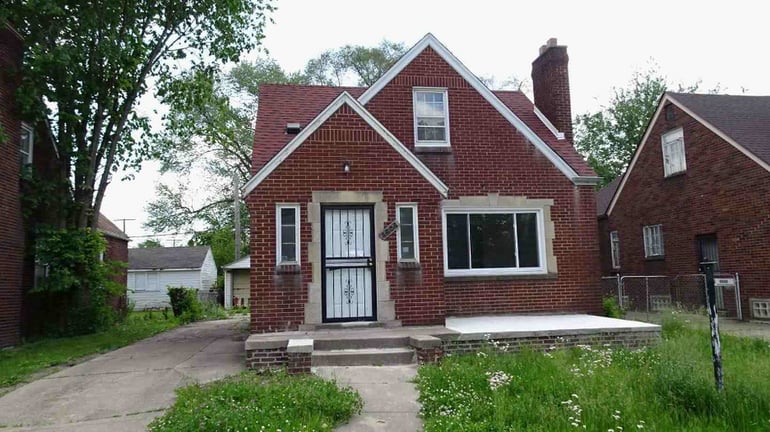
How Investors Finance Renovation and Construction Projects
Most investors finance these projects in four stages: acquire, improve, stabilize or list, and exit. The loan structure supports each stage.
1. Acquire. You buy the property, or the land if you're building. Speed matters here, especially when sellers favor buyers who can close without delays.
2. Improve or build. Funds for the work are typically released in stages as milestones are completed, such as demolition, framing, mechanical systems, and finish work. This protects both you and the lender.
3. Stabilize or list. After the work is done, you list the property for sale, or you rent it out if you plan to hold it.
4. Exit. You repay the loan through a sale or a refinance.
Investors usually choose from a few financing sources:
- Hard money lenders for real estate offer short-term, asset-based loans focused on the property and the plan.
- Bridge loans cover the gap between a purchase and a sale or refinance.
- Conventional bank loans offer lower rates, but they involve heavier documentation and slower timelines, and they often won't fund a property that needs major work.
- Cash or home equity can work for smaller projects, though they tie up your own capital.
If you use the BRRRR strategy (buy, rehab, rent, refinance, repeat), the short-term loan is the first half of the plan. A BRRRR hard money lender funds the purchase and renovation, and you then refinance into a long-term rental loan once the property is leased.
When you compare private lenders for real estate USA wide, look past the rate. Ask how the lender releases rehab funds, how fast they close, and what they expect at exit.
How Loan Funds Can Support Project Costs
Project loans can help cover the purchase, the work, and in some cases other costs, with the money released at different times. Understanding what's covered and when helps you plan your cash.
|
Cost |
How It's Often Handled |
|
Purchase price |
Funded at closing, usually up to a percentage of the price |
|
Renovation or construction work |
Released in stages as work is completed |
|
Permits, plans, and professional fees |
Often part of the project budget; check how your lender treats them |
|
Interest and holding costs |
May be paid from your funds or built into the budget |
|
Contingency |
Plan for it yourself, since overruns are common |
|
Selling costs |
Usually paid at sale, from proceeds |
Here's how staged funding usually works. You complete a phase, show the progress through an inspection or documentation, and the lender releases the next portion. You often pay interest only on the amount you've drawn, which helps your carrying costs early in the project.
A few habits will protect your budget:
- Build a contingency line into every estimate.
- Get contractor bids in writing before you close.
- Keep your scope of work updated if plans change.
- Confirm what your lender covers and what you need to bring yourself.
What Are the Benefits and Risks of the BRRRR Strategy?
BRRRR can build a portfolio faster than saving up for each down payment, but it carries real risks because you're renovating, renting, and refinancing on a timeline.
Benefits
- Capital recycling. You can reuse the same money across multiple properties.
- Equity creation. Smart renovations can push the value well above your total cost.
- Long-term cash flow. You keep the property and collect rent.
- Scalability. Each successful cycle funds the next.
Risks
- Rehab overruns. Surprises behind walls can blow your budget and schedule.
- Appraisal shortfalls. A lower valuation can leave cash trapped in the deal.
- Rent that misses the mark. Lower rent shrinks your refinance and your monthly profit.
- Holding costs. Delays add interest, insurance, and taxes while the property earns nothing.
- Refinance risk. If you can't refinance on time, you may be stuck with an expensive short-term loan coming due.
- Market shifts. Rate changes or softer local demand can affect values and rents.
Most of these risks shrink with conservative estimates, a contingency budget, and an exit plan that still works if the numbers come in a bit worse than expected.
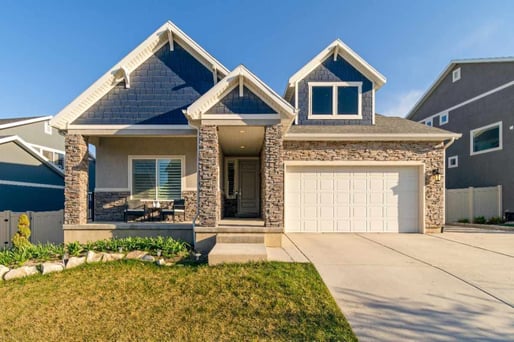
Renovation vs. New Construction Financing: What Investors Should Know
Renovation financing starts with an existing structure, while new construction financing starts with land or a lot. That difference changes the risk, the timeline, and what lenders ask to see.
|
Renovation |
New Construction |
|
|
Starting point |
Existing building |
Vacant lot or teardown |
|
Scope risk |
Hidden problems, such as old wiring or water damage |
Cost overruns, weather, and supply delays |
|
Permits |
Often smaller in scope |
Typically more extensive |
|
Timeline |
Usually shorter |
Usually longer |
|
Funding for the work |
Staged draws |
Staged draws tied to build milestones |
|
Key valuation question |
What will it be worth after repairs? |
What will it be worth when finished? |
|
Builder experience |
Helpful |
Often a stronger focus |
Renovation projects carry surprises. You can inspect a building, but walls and systems can still hide issues. That's why contingency matters so much.
New construction projects carry fewer unknowns about existing conditions but more moving parts: permits, site work, scheduling, and trade coordination. Lenders usually look closely at your track record and your detailed budget.
Real estate investment lenders also treat the two differently when it comes to risk and documentation. Expect to show a full scope of work, a line-by-line budget, a realistic timeline, and a clear exit for either type.
Before you choose, ask yourself:
- Do I have a reliable contractor or builder?
- Is my budget built on actual bids, not guesses?
- What's my plan if the project runs over?
- Do I plan to sell or hold?
- How will I repay the loan?
How InstaLend Supports Renovation and Construction Investors
We built our programs around the way these projects actually run. We evaluate the asset instead of your pay stub, and we don't ask for income verification.
Here's how our loans map to your project:
- Fix and flip loans cover up to 90% of the purchase price and 100% of rehab costs.
- New construction loans provide ground-up financing with draw-schedule funding released as milestones are hit.
- Single family rental loans give you a long-term, DSCR-based option when you plan to hold the property after the work is done.
- Multifamily bridge loans support apartment buildings that need renovation or repositioning.
You can start by telling us about the property, the loan amount, and your strategy. No income documents are needed at that stage. We review the asset, including the purchase price, the after-repair value or NOI, and loan-to-value, and you can expect a same-day loan commitment. There are no application fees to get started, and you can pay off a fix and flip or construction loan early without prepayment penalties.
FAQs
What is a renovation loan for investors?
It's a short-term, asset-based loan that funds the purchase of a property and the cost of improving it, repaid through a sale or refinance.
What is BRRRR?
BRRRR stands for buy, rehab, rent, refinance, repeat. You buy and renovate a property, rent it out, then refinance into long-term financing to recover capital for the next deal.
Can I get project financing if the property is in poor condition?
Often yes. Project lenders focus on the property's potential and your plan, not just its current condition.
How do I choose between renovation and new construction?
Start with your experience, your budget, your timeline, and your exit plan. Renovation tends to be faster. Construction offers more control but involves more moving parts.