



Building from the ground up means choosing between two very different financing paths, and picking the wrong one can cost you weeks you don't have. Here's the direct answer: a new construction loan is short-term, asset-based financing built for investors and builders, approved fast and funded in draws. A conventional construction mortgage is bank-issued, qualifies you on personal income and credit, and typically converts into a long-term mortgage once the build is done.
The core split comes down to who's qualifying, you or the project, and how fast you need to move. If you're a builder flipping a spec home or an investor developing a build-to-rent property, the two products behave nothing alike once you get past the surface similarity of "loan for building a house."
Below, we'll walk through what each option actually is, where they diverge on speed and documentation, and how to decide which one fits your next project.
New Construction Loans vs. Conventional Construction Mortgages: What's the Difference?
The short version: a new construction loan is asset-based and built for speed, while a conventional construction mortgage is income-based and built for the long term.
New construction loans skip income documentation entirely. Approval hinges on the project's loan-to-cost (LTC) ratio and the builder's experience, not W-2s or tax returns, which means pre-approval can land in as little as 24-48 hours. Funds are released in staged draws as construction hits specific milestones, so you're only paying interest on what's actually been disbursed.
Conventional construction mortgages work the way a traditional home loan does. The bank reviews your personal income, credit history, and debt-to-income ratio, a process that typically takes 4-8 weeks. Once the build is finished, the loan either converts automatically into a permanent mortgage or requires a second closing, depending on the structure.
Neither option is universally "better." One trades documentation for speed and flexibility; the other trades speed for a lower long-term rate. Which one fits depends on who you are and what you're building.
What Is a New Construction Loan?
A new construction loan is short-term, asset-based financing for building a residential property from the ground up, from land acquisition through final inspection. Instead of reviewing your personal income, the lender evaluates the project itself: total cost, construction plan, and your track record as a builder or general contractor.
Funds don't arrive as a lump sum. They're released in stages, tied to real construction milestones like foundation, framing, mechanical systems, and finish work, which keeps your carrying costs down since you only pay interest on what's been drawn so far. This structure exists because ground-up building has a fundamentally different risk profile than buying a finished home, and most banks aren't set up to underwrite or monitor a project mid-construction.
New construction loans are typically used by real estate investors building spec homes for resale, developers building to rent, and licensed contractors managing multiple projects, borrowers who need capital to move at the pace of a job site, not a loan committee. This asset-based approach is how most real estate construction loans get funded for investors today, project first, paperwork second.
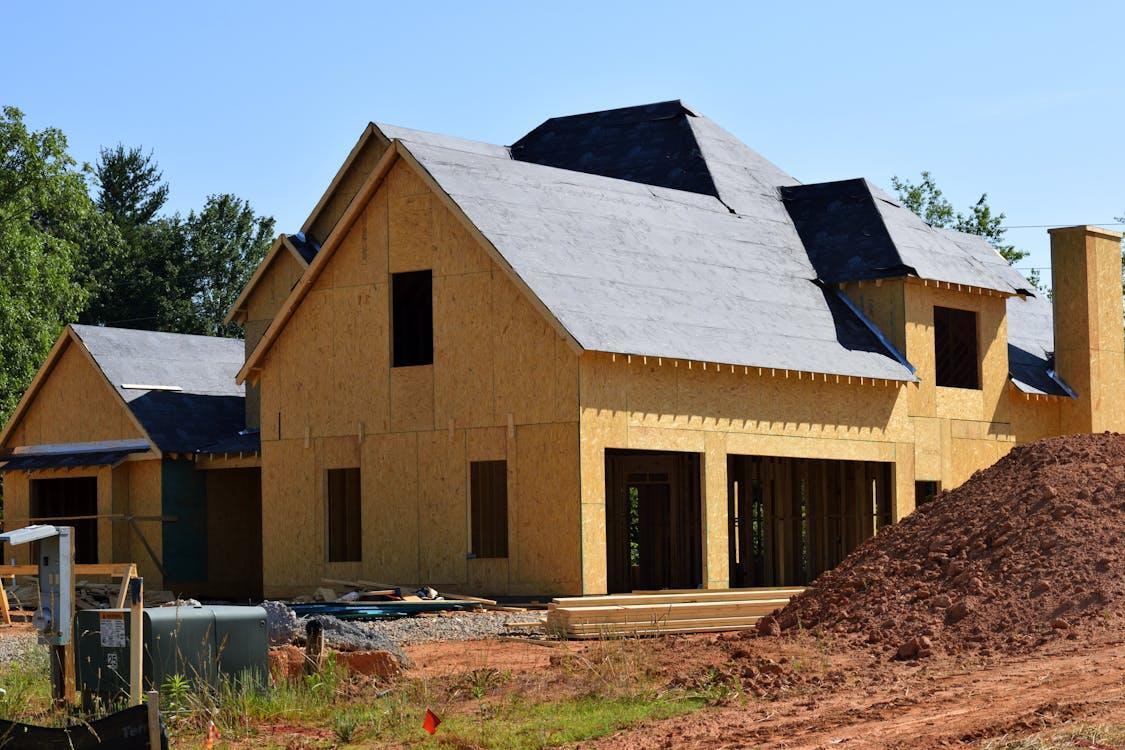
What Is a Conventional Construction Mortgage?
A conventional construction mortgage is a bank-issued loan that qualifies you the same way a standard home loan does: personal income, credit score, employment history, and debt-to-income ratio, all reviewed against W-2s and tax returns.
There are two common structures. A construction-to-permanent (single-close) loan bundles the build phase and the long-term mortgage into one closing; once construction wraps, it automatically converts into a 15- or 30-year mortgage, with just one set of closing costs. A stand-alone construction loan only covers the build itself; once you're finished, you apply separately for a permanent mortgage, which means paying closing costs twice.
Both structures are built primarily for owner-occupants constructing a primary residence, or investors with straightforward, well-documented income who plan to hold the finished property long-term. Approval generally takes several weeks, since the bank is underwriting your full financial picture in addition to the project itself.
Key Differences: Speed, Qualification, and Draw Process
|
Factor |
New Construction Loan |
Conventional Construction Mortgage |
|
Approval timeline |
Pre-approval in 24-48 hours |
Typically 4-8 weeks |
|
Documentation required |
None; based on project LTC and builder experience |
W-2s, tax returns, full income and credit review |
|
Interest structure |
Interest-only on the amount drawn |
Varies; often standard amortizing terms once converted |
|
Qualification basis |
The project (cost, plans, builder track record) |
The borrower (income, credit, debt-to-income) |
|
Draw process |
Milestone-based draws, released as work is inspected and verified |
Structure varies by lender; funds may be advanced differently |
|
Closings |
One closing |
One (construction-to-perm) or two (stand-alone) |
|
Best fit |
Investors, developers, licensed builders |
Owner-occupants, W-2 borrowers building a primary home |
The two products overlap in that both eventually fund a completed structure. Both fall under the broader category of residential construction loans, financing used to build 1-4 unit homes from the ground up. Where they split is qualification and pacing: one is underwritten around the deal and moves at the speed of the job site, the other is underwritten around the borrower and moves at the speed of a bank.
Which One Should You Choose?
Start with what you're building and who you are on paper.
If you're an investor or builder constructing a property to sell or rent, and you don't want your project timeline held hostage by a weeks-long income review, a new construction loan is generally the better fit. It's also the more practical option if your income is self-employed or otherwise complex, since qualification runs through the project instead of your tax returns.
If you're building your own primary residence, have straightforward W-2 income, and you're planning to hold the property long-term once it's built, a conventional construction mortgage, particularly a construction-to-permanent structure, is often the more cost-effective path. You'll trade speed for a longer underwriting process, but you'll typically land a lower long-term rate and avoid a second closing.
Timeline matters too. If you need to lock in a lot before it's gone, or your contractor needs a funding commitment before they'll schedule your project, the 24-48 hour pre-approval window on an asset-based loan can be the deciding factor on its own, regardless of which product technically offers the better rate.
How InstaLend's New Construction Loans Work
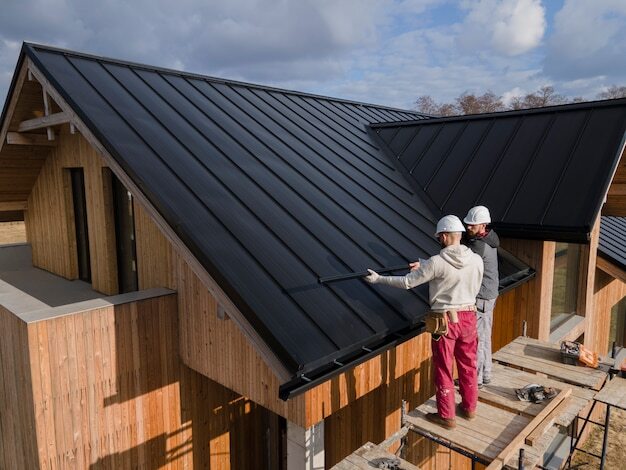
We built our draw process around how construction actually happens on a job site, not around a bank's disbursement calendar. Once you're approved, funding runs on a four-step cycle that repeats at each milestone:
- You submit your Scope of Work. Through our portal, you show us exactly which line items on the project are complete.
- You choose your inspection type. Pick a self-inspection or have us order a third-party inspection to verify progress.
- You confirm wire details. We send a DocuSign for that draw so your wire information is locked in securely.
- Funds release the same day. Once the inspection comes back, we release funds that day, based on your percentage of completion.
Each draw carries a $30 wire fee and a $270 inspection fee, deducted from that draw's total, so there's no guesswork about what you'll net at each stage.
On the underwriting side, we finance projects from $50,000 to $5M+ on 1-4 unit residential builds, up to 90% of loan-to-cost, with no income verification and no prepayment penalty. Terms run 12 months with extensions available, and pre-approval typically lands within 24-48 hours, before you've finalized your land purchase or signed a contractor agreement. We do ask that borrowers hold a GC license or show prior construction experience, though first-time investors can still qualify by partnering with a licensed contractor or bringing a strong, well-documented project plan. Once your build is complete, you can sell or refinance, including transitioning straight into a long-term rental loan if you're building to hold.
New Construction Loan FAQs
Can first-time investors qualify for a new construction loan? Yes. Experience helps, but you don't need a completed track record to qualify. First-time investors can typically qualify by partnering with a licensed general contractor or submitting a detailed, realistic project plan and budget.
How do construction loan draw requests actually work? You submit a Scope of Work showing completed line items, choose a self-inspection or third-party inspection, confirm your wire details, and receive funds the same day the inspection is verified, based on your percentage of project completion.
Can I get pre-approved for a construction loan before I buy the land? Yes. Pre-approval on an asset-based construction loan can come through in as little as 24-48 hours, confirming your eligibility before you finalize a land purchase or sign a contractor agreement.
What happens to a new construction loan once the build is finished? Once construction wraps, you generally have two exit paths: sell the completed property, or refinance into a long-term mortgage. If your plan is to hold and rent the property, that often means refinancing into a permanent rental loan once it's built and tenant-ready.