



You've found the lot. You know exactly what buyers in this neighborhood want, and existing inventory just isn't giving it to them. So why let a financing gap stop you from building it yourself?
That's the exact situation real estate construction loans are built for. Instead of hunting for a property that almost fits your vision, you get to build the one that actually does, on your timeline, with your specs, funded in a way that keeps your cash flow healthy from groundbreaking to sale.
Let's walk through why building can be your most profitable move, and how the right financing protects that profit every step of the way.
Why Building Beats Buying in Today's Market
When existing inventory doesn't match what buyers actually want, buying and renovating only gets you so far. Building from the ground up puts you in control of the one variable that drives your profit the most: the finished product itself.
Here's why that control matters so much for your bottom line:
- You build exactly what sells, not what's available. Instead of compromising on layout, finishes, or square footage, you design a home around what buyers in your market are actively searching for.
- You avoid the hidden costs of an older property. Renovation budgets can blow up fast when you uncover outdated wiring, foundation issues, or plumbing problems you didn't plan for. A ground-up build gives you far more budget clarity from day one.
- You can move faster than the market shifts. Buyer preferences change, and existing homes take time to sell or renovate. Building lets you deliver a fresh, in-demand product right when demand is highest.
- You capture more of the margin yourself. When you're not paying a premium for someone else's finished renovation, more of the eventual sale price flows back to you as profit.
None of this works, though, without the right residential construction loans behind you. That's why picking the right financing structure matters just as much as picking the right lot.
How Construction Loans Protect Your Profit Margin
This type of financing is short-term and asset-based, built specifically for ground-up builds. Unlike a traditional mortgage that funds a finished property, construction loan financing releases money in stages as your project moves from foundation to framing to finish work.
Here's how that structure directly protects your profit:
- Your cash flow stays intact throughout the build. Because funds release through a draw schedule tied to construction milestones, you're not fronting the entire build cost yourself before you've broken ground.
- You're not overleveraged on day one. Staged funding means your capital gets deployed as you actually need it, not all at once, which keeps more of your reserves available for unexpected costs.
- You can move on land before competitors do. With financing that can include land acquisition inside your total loan package, you're not stuck waiting to secure funding separately before you lock down your lot.
- Your loan term matches your build timeline. Financing structured around the construction period, rather than a decades-long mortgage, keeps your carrying costs aligned with your actual project.
- You keep your exit options open. Once your build is complete, you can sell for profit or refinance into long-term rental financing, giving you flexibility to chase whichever exit protects your return the most.
This is exactly why so many investors treat this kind of staged funding as a profit tool, not just a way to get approved. The structure itself is designed to protect your margin at every stage of the project.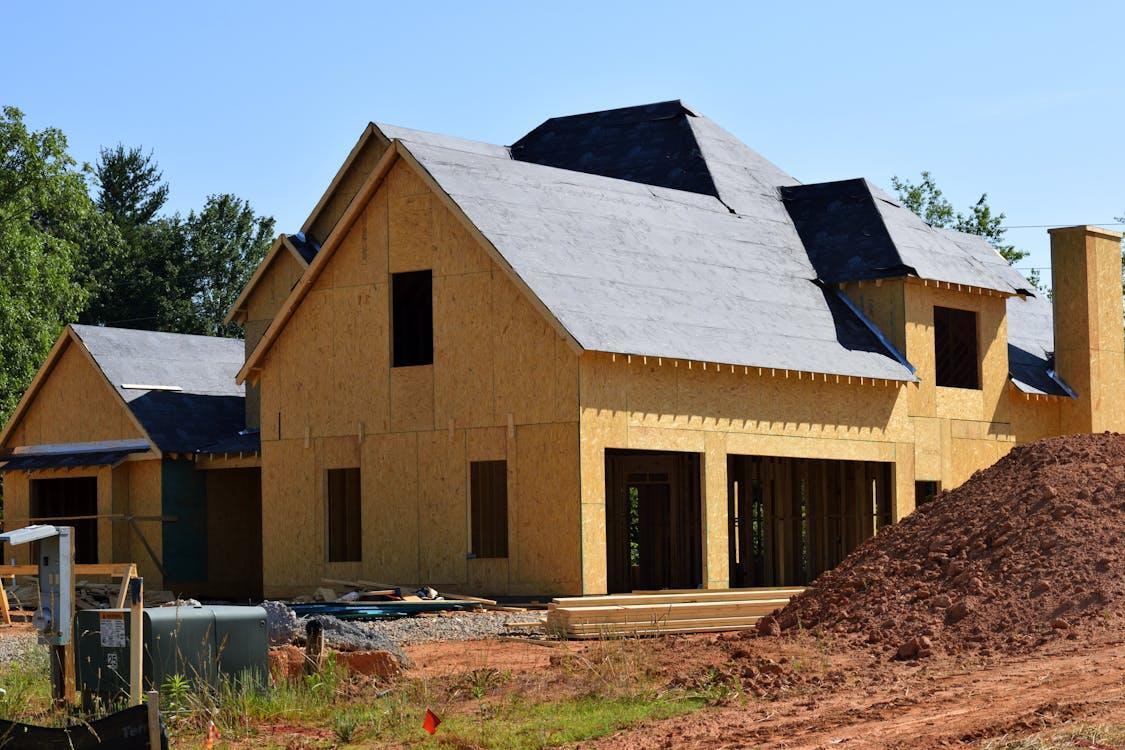
The Real Cost of Slow or Rigid Financing
Profit isn't just about what you build, it's about how fast and how smoothly you can build it. Slow or inflexible real estate construction loans quietly erode your margin in ways that aren't always obvious until the project is underway.
Here's what rigid financing can cost you:
- Missed windows on land and materials. If your funding can't move as fast as the deal requires, you risk losing the lot, or paying more once material costs shift.
- Stalled job sites. Financing that doesn't disburse in step with construction milestones can leave your crew waiting on funds, which means paying for downtime instead of progress.
- Penalties for finishing early. Some traditional lenders charge prepayment penalties, which punishes you for completing your project ahead of schedule instead of rewarding it.
- No flexibility for delays. Weather, permitting, and supply chain issues are part of construction. Rigid financing that doesn't allow for extensions can put your entire project at risk right when you're closest to the finish line.
- A mismatch between your loan and your exit. If your financing doesn't support refinancing into a rental loan or doesn't align with a sale timeline, you can end up scrambling to restructure your debt right when you should be closing out your profit.
Every one of these issues is avoidable with the right lender. The goal isn't just getting approved, it's securing financing that actually protects the profit you set out to build in the first place.
Who Profits Most From Real Estate Construction Loans
Construction financing isn't reserved for large-scale developers. Here's who tends to see the biggest profit advantage from residential construction loans:
- Licensed general contractors and builders. If you already have construction experience, this financing lets you take on new projects without tying up your own capital in every phase of the build.
- Investors with prior construction experience. You don't need to be a full-time developer to qualify. Prior experience managing a build, paired with a strong project plan, can be enough to move forward.
- Investors targeting underserved buyer demand. If your market lacks inventory with the features today's buyers want, building lets you deliver exactly that instead of competing over the same limited listings.
- Long-term rental investors. If your plan is to build and hold rather than build and sell, construction financing gives you a path to refinance into long-term rental financing once the property is complete.
- Investors weighing renovation versus new build. If you've compared the unpredictability of rehabbing an older property against the clarity of building new, this type of financing makes the new-build path financially realistic.
Wherever you fall on that list, the underlying advantage is the same: you're capturing more of the profit by controlling the build instead of buying someone else's finished product.
What to Expect When You Build With InstaLend
We built our construction financing around the realities of an active job site, not a rigid underwriting formula. Here's what that looks like when you work with us:
- We fund based on your project, not just your credit score. Our lending is asset-based, so we evaluate your property's value and your experience as a builder or investor.
- We move fast so your project doesn't stall. We know a construction timeline doesn't pause for slow underwriting, so we work to get you pre-approved quickly and keep funds disbursing as your build progresses.
- We give you flexibility on your exit. Whether you're planning to sell for profit or refinance into a long-term rental once construction wraps, we structure our financing around your actual strategy.
- We don't penalize you for finishing early. If you pay off your loan ahead of schedule, you won't face a prepayment penalty with us.
- We understand real job-site timelines. Delays happen. Our team works with you on extensions when weather, permitting, or supply chain issues push your schedule.
- We support you beyond this one project. Alongside our construction financing, we offer fix and flip, rental, and bridge loans, so as your strategy evolves, we can grow with you instead of you starting over with a new lender.
This is exactly why so many builders and investors choose to fund their ground-up projects with us. We built our lending to keep pace with your job site, protecting your profit instead of slowing it down.
Your Next Step: Turning Land Into Profit
Once you understand how the right financing protects your margin, getting started is far more straightforward than most first-time builders expect. Here's how we'd suggest approaching it:
- Get clear on your project scope first. Know your build plan, estimated costs, and timeline before you apply. This is what we'll evaluate alongside your experience.
- Confirm your land situation. Decide whether you already own the lot or want to roll acquisition costs into your total loan.
- Gather proof of your construction experience. If you're not a licensed general contractor yourself, be ready to show how you're partnering with one, or bring a strong, detailed project plan to support your application.
- Ask about the draw schedule up front. Understanding exactly how and when funds release helps you plan your subcontractor payments and avoid cash flow surprises.
- Think about your exit strategy early. Decide whether you're building to sell or building to hold, since that decision shapes how you plan your loan term and your next financing move.
If you're ready to turn a vacant lot into a profitable, finished property, we're ready to help you fund it. Explore InstaLend's New Construction Loans and see how our team can help you build with financing designed to protect your margin from groundbreaking to close.
The Bottom Line
Building for profit isn't just about having the right vision, it's about having financing that protects your margin at every stage of the project. The right construction loans give you the staged funding, flexibility, and exit options that a traditional mortgage simply isn't built to provide.
If you're ready to explore what the right construction loan financing could do for your next build, get in touch with InstaLend and let's talk about turning your project into your next profitable close.
Frequently Asked Questions
1. What are real estate construction loans?
Real estate construction loans are short-term, asset-based loans that finance the construction of new residential or investment properties. Funds are typically released in stages as construction milestones are completed, helping builders and investors manage cash flow throughout the project.
2. Who can qualify for a real estate construction loan?
Construction loans are ideal for experienced real estate investors, builders, licensed general contractors, and developers. Many lenders also consider borrowers with prior construction experience and a well-planned project, even if they aren't full-time builders.
3. Can a construction loan be used for both land purchase and building costs?
Yes. Many real estate construction loans can finance both the purchase of the land and the construction costs under a single loan, making it easier to manage your project while preserving working capital for other investments.