




The best loan for flipping a house is the one that fits your property, your renovation, and your timeline. For most flips that involve a distressed home and real repair work, a short-term, asset-based hard money loan is the closest match, because it can fund the purchase and the renovation together and close quickly. A conventional mortgage can work for a light cosmetic update on a livable home, and a bridge loan can help when timing is your biggest concern. The right choice depends on the home’s condition, the scope of work, how fast you need to close, and how much of your own cash you want in the deal.
What Is the Best Loan for Flipping Houses?
There is no single best loan for every flip, but there is usually a best match for each project. Start with three questions: What condition is the house in? How much work will it need? How soon do you have to close?
If the answers point to heavy repairs or a competitive purchase, a bank may not be an option, since many conventional lenders want a home that is livable at closing. That is where hard money fix and flip loans come in. A hard money loan is a short-term loan secured by the property itself. The lender focuses on what you are paying, what the renovation will cost, and the after-repair value (ARV), which is what the home should be worth once the work is finished.
Here is how the main situations tend to line up:
- Light cosmetic update on a livable home, no rush: a conventional mortgage or home equity line of credit (HELOC) may work.
- Distressed home, major repairs, or a competitive purchase: a hard money loan usually fits better.
- Buying before another property sells, or planning to rent after the rehab: a bridge loan may help.
- Plenty of cash on hand: self-funding or partner capital keeps things simple.
Treat this as a starting point, not a rule. Lenders set their own terms, so two loans of the same type can look very different.
How Do Fix and Flip Loans Compare With Other Financing Options?
Fix and flip loans are built around a short ownership window, often a year or so, while most other financing is built around holding a property for years. That difference explains most of the trade-offs.
- Hard money loans are short-term and secured by the property. They usually cost more than a bank loan, but they close faster and weigh the deal more heavily than your paycheck. Payments are often interest-only, with the balance repaid when you sell or refinance.
- Private money comes from individuals or companies lending their own capital. Private lenders for fix and flip projects set their own rules, so terms vary widely and each offer deserves its own side-by-side review.
- Bridge loans cover the gap between buying a property and your next step, such as selling it or refinancing into a long-term mortgage. They work much like hard money loans, but the label usually points to a timing problem rather than a rehab plan.
- Conventional mortgages and HELOCs usually offer the lowest rates. The trade-off is paperwork, a longer closing period, and stricter property standards, so they rarely suit a home that needs major work. A HELOC also borrows against equity in a property you already own, which puts that property at risk if the flip goes badly.
The useful comparison is not which option has the lowest rate. It is which one lets you finish the project on schedule at a total cost that still leaves a profit.
What Loan Amount and Terms Should You Look for in House-Flipping Financing?
Look for a loan that covers enough of the purchase and renovation to keep your cash needs manageable, with a term long enough to renovate and sell, plus room for delays. Most fix and flip financing is sized from three numbers: the purchase price, the renovation budget, and the ARV.
How much can you borrow?
Lenders usually express limits in one of two ways. Loan-to-cost (LTC) compares the loan to your total project cost, meaning purchase plus renovation. Loan-to-ARV compares it to the home’s expected value after repairs. Some lenders fund a share of the purchase price and the full renovation budget, while others fund only part of each, so ask whether rehab money is included before you compare offers. That answer changes how much cash you need at closing.
Renovation money is often released in stages, called draws, as work is completed and verified. That keeps the lender’s risk in check, but your contractor may need to cover early costs, so ask how quickly draws are paid.
What terms matter besides the amount?
Check the loan term first. Add your renovation time, the time to list and sell, and a buffer, then compare that total with the term you are offered. Ask what an extension costs and how it works.
Then look at how interest is charged (interest-only payments on funds already drawn are common), what points apply (a fee set as a percentage of the loan), what other fees show up during the loan, whether there is a prepayment penalty, and how draws are requested and approved. A loan with an attractive rate but costly extensions or slow draws can end up costing more than it first appears.
What Do Lenders Consider When Approving a Fix and Flip Loan?
A fix and flip lender is mostly asking one question: if the plan stalls, does the property still protect the loan? Most of what they review comes back to that.
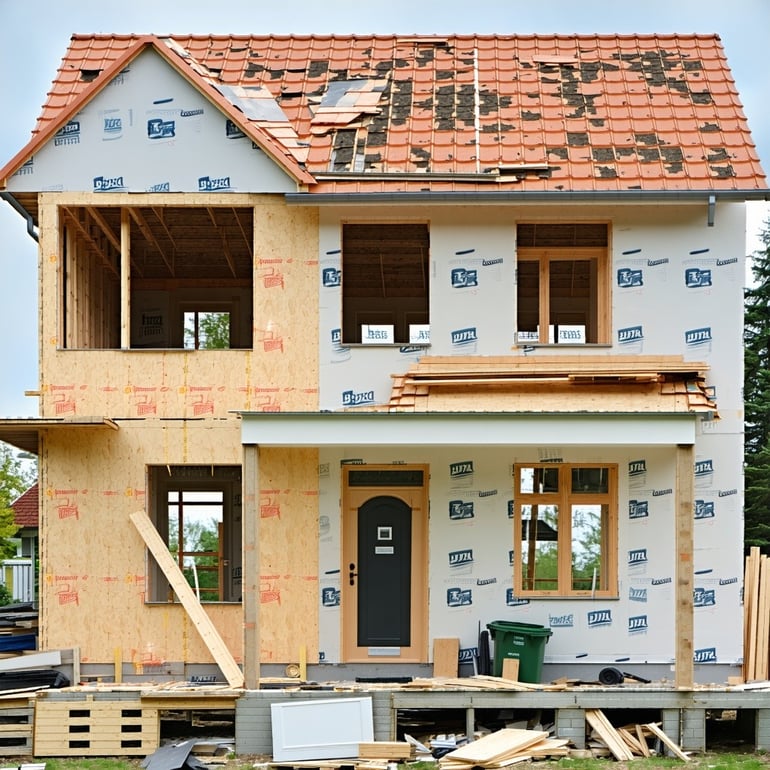
The property and its ARV come first. Lenders look at the purchase price, the home’s current condition, and recent comparable sales to judge the ARV, and many order an appraisal. Next is your renovation plan. An itemized budget, a clear scope of work, and a realistic timeline show that your numbers hold up.
Your experience matters too. A track record of completed flips helps, and so does a licensed contractor or prior construction experience. If you are new to flipping, a detailed plan and a reliable contractor can offset a short résumé, though lenders differ on how much weight they give it. Many also review credit and liquidity. Some set a minimum credit score, and many want proof that you can cover closing costs and unexpected overruns from your own funds.
Finally, lenders want a believable exit plan: selling the finished home, or refinancing into a long-term loan. Property type and location count as well, since some lenders limit what they finance and where. Expect to provide the purchase contract, your renovation budget, identification, and entity documents if you are buying through an LLC.
How Should You Evaluate a Fix and Flip Lender for Your Project?
Start with total cost and reliability, not just the interest rate. Because private lenders for fix and flip deals set their own terms, the only fair way to compare them is to ask each one the same questions.
Request a written term sheet from every fix and flip lender on your list, then ask:
- What are the interest rate, the points, and every other fee, including draw, inspection, and extension fees?
- How much of the purchase and the renovation will you fund, and on what basis?
- How are draws requested, inspected, and paid, and how long does that take?
- What is the term, and what happens if the project runs long?
- Is there a prepayment penalty?
- How long do closings usually take, and do you lend in this state and on this property type?
Pay attention to how the lender communicates while you are still getting quotes, because responsiveness at that stage is often a good preview of how your loan will be handled. Read independent reviews, ask for references from other investors if you can, and find out whether you are working directly with the lender or through a broker, since that affects who you deal with when something changes mid-project.
How InstaLend Supports Fix and Flip Financing
Your own terms will depend on your property, your plan, and your profile.
Our hard money fix and flip loans are short-term, asset-based loans secured by the property. We review the purchase price, renovation scope, and ARV rather than your income, so we do not require W-2s or tax returns.
We can fund up to 95% of total project cost, purchase and renovation combined, with loan amounts starting at $50,000. The final amount depends on the property, purchase price, renovation budget, ARV, loan-to-cost ratio, and borrower experience. Renovation funds are released through a draw schedule, payments are interest-only on the amount drawn, and our loans carry no prepayment penalty.
Our fix and flip financing covers 1–4 unit single-family residential properties in 46 states. We do not currently lend in North Dakota, South Dakota, Arizona, California, or Utah. Our minimum FICO score is 660, and borrower experience is part of how we evaluate a deal, so tell us about your background and plan. Closing typically takes 10 to 14 days, depending on the deal. When the flip is done, you can sell the home or refinance into a long-term loan, including our 30-year rental loan if you plan to hold the property.
If you want to see how your numbers look, you can submit your deal details with the property address, purchase price, renovation estimate, and ARV. No financial documents are needed at that stage.
Frequently Asked Questions
What is the best loan for flipping houses?
A hard money fix and flip loan is often a good fit for properties that need significant repairs or quick financing. For homes that are already livable and need only cosmetic updates, a conventional mortgage or HELOC may also work.
How much can you borrow with a fix and flip loan?
The amount depends on the property's purchase price, renovation budget, after-repair value (ARV), loan-to-cost ratio, and borrower experience. Some lenders fund both the purchase and renovation, while others cover only a portion of the total project cost.
What do lenders look for when approving a fix and flip loan?
Lenders typically evaluate the property's value, renovation plan, project budget, estimated timeline, borrower experience, credit score, available cash, and exit strategy. Requirements vary by lender and loan program.