



If you're evaluating an apartment building or multifamily property, you've probably come across two very different financing options: multifamily bridge financing, built for speed and transitional projects, and permanent loans, designed for long-term stability. Choosing the wrong one at the wrong stage can cost you the deal—or cost you money for years afterward.
You don't need a finance degree to make the right call here. You just need to understand what each option is actually designed for, and where your property currently stands in its lifecycle. Investors who skip this step often end up trying to force a stabilized-property loan onto a distressed building, or sitting on a short-term loan long after their property was ready to graduate into something permanent. Both mistakes are avoidable once you understand how these two financing paths actually work.
In this guide, you'll walk through both financing paths side by side, so you can confidently decide which one fits your next multifamily move, and what to expect at each stage of the process.
What Is a Multifamily Bridge Loan, and How Does It Work?
Multifamily bridge financing is short-term capital designed to carry a property through a transition, whether that's an acquisition, a renovation, or a full repositioning. Think of it as the tool that gets a property from "not quite ready" to "ready for long-term financing."
Here's what makes bridge financing different from a standard mortgage:
- It's built for properties that aren't stabilized yet, meaning occupancy, income, or condition don't yet meet the bar for permanent financing.
- Approval leans on the asset's current value and its potential, not years of documented cash flow.
- Payments are typically interest-only, which helps preserve cash while you're renovating or leasing up.
- The loan is short-term by design, meant to be replaced by something more permanent once the property is stabilized.
- Funds can often be structured to release in stages, so renovation dollars show up as the work actually gets done rather than sitting idle upfront.
If you've ever wondered how investors buy a half-empty or run-down apartment building and turn it into a fully leased asset, this type of financing is usually the engine behind it. It exists specifically for the messy middle of a deal, the phase most traditional lenders won't touch. Many investors first discover multifamily bridge loans while trying to close on a distressed property that a conventional bank simply wouldn't underwrite.
Picture a 20-unit apartment building sitting at half occupancy with outdated units and below-market rents. A conventional bank sees an asset that doesn't cash flow well enough to qualify. A bridge lender sees a property with room to grow, and structures financing around the plan to renovate units, re-lease at market rates, and stabilize the asset over the following months. That plan-based thinking is really what sets this financing apart.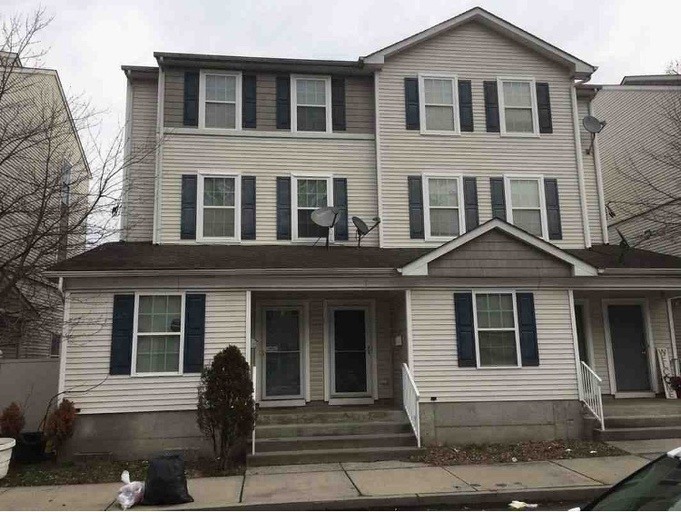
What Is a Permanent Multifamily Loan?
A permanent multifamily loan is the long-term financing that comes after the transition is complete. Once a property is fully occupied, generating steady rental income, and performing the way it's supposed to, this is the loan that locks in stability for years to come.
Here's how it typically works:
- Approval is based heavily on the property's documented income and occupancy history, not just its potential.
- Terms stretch out much longer, often ten to thirty years, giving you predictable payments for the long haul.
- Interest rates tend to be lower than short-term options, since the lender is taking on far less risk with a proven, income-producing asset.
- The application and underwriting process takes considerably longer, since the lender is reviewing detailed financial history.
- Lenders in this space often include agency programs and larger institutional players who specialize in stabilized income-producing real estate.
This is the loan you "graduate into" once your property has done the work to earn it. It's not designed for a building that's still mid-renovation or sitting at low occupancy. Together, bridge and permanent products make up the two halves of most multifamily real estate loans investors use across a property's full lifecycle, and understanding both sides means you'll never be caught without a plan for what comes next.
Using the same example from earlier: once that 20-unit building is fully renovated, leased up, and generating strong, consistent rental income, it's no longer the same asset the bank passed on. At that point, refinancing into a permanent loan lets you lock in a lower rate and settle in for the long term, or free up equity to fund your next acquisition.
Key Differences Between the Two Financing Paths
Understanding where these two options diverge makes the decision much easier. Here's how they stack up against each other.
- Speed to close. Bridge financing moves fast, often in a couple of weeks, while permanent loans take considerably longer due to deeper underwriting. If you're competing for a deal against other buyers, that speed difference alone can decide who wins.
- Property condition required. Bridge loans accept distressed, vacant, or transitional properties. Permanent loans generally require stabilized occupancy and income first, so a half-finished renovation simply won't qualify.
- Documentation. Bridge financing typically skips income verification in favor of asset-based underwriting. Permanent loans lean heavily on documented financials, tax returns, and a track record of performance.
- Loan term. Bridge loans are short-term, meant to be temporary. Permanent loans are structured for years of ownership, which changes how you should think about long-term cash flow planning.
- Payment structure. Bridge loans are usually interest-only, keeping your carrying costs lower during a transition. Permanent loans typically involve principal and interest payments from day one, building equity as you go.
- Flexibility for entity ownership. Both structures generally allow you to close under an LLC or business entity, which matters if you're building a portfolio and want to keep your assets organized and protected.
Neither option is "better" in a vacuum. They simply serve different points in a property's lifecycle, and knowing which stage you're in tells you which financing fits. An apartment bridge loan handles the transition; a permanent loan holds the result.
When a Bridge Loan Is the Right Choice
If your property isn't performing at its full potential yet, bridge financing is usually the right starting point. Here's when it makes the most sense.
- You're acquiring a distressed or underperforming property. Vacant units, deferred maintenance, or below-market rents are exactly the situations short term multifamily loans are built to handle.
- You need to move fast in a competitive market. A quick close can put you on equal footing with cash buyers, letting you win deals that slower-moving lenders would cost you.
- You have a clear value-add plan. If you're renovating units, improving common areas, or repositioning the property to raise rents, bridge capital funds that work while you execute.
- You're not ready for long-term underwriting yet. If the property doesn't have the occupancy or income history a permanent lender wants to see, trying to force a permanent loan too early usually backfires.
- You're bridging a timing gap. Sometimes you're closing on a new acquisition before financing on another deal has fully processed. A bridge loan can cover that gap so you don't lose a deal to timing alone.
- You're expanding into a new asset class. If you've built experience with single-family properties and you're making the jump into your first apartment building, bridge financing offers an entry point without the institutional documentation a permanent lender would expect.
Essentially, if your property still has work to do before it can stand on its own financially, this is your financing stage. Choosing multifamily bridge financing at this point gives your project room to breathe while you execute the plan.
When Permanent Financing Makes More Sense
Once your property has done the heavy lifting, it's time to think about locking in stability. Here's when permanent financing becomes the smarter move.
- Your property is fully stabilized. Strong occupancy and consistent rental income are the green light for permanent financing.
- You're planning to hold long-term. If your strategy is to keep the asset producing income for years, locking in a lower, predictable rate makes financial sense.
- You want to move on from interest-only payments. Permanent financing typically shifts you into a structure that builds equity over time instead of just covering interest.
- You're ready for a more thorough underwriting process. If your financials and the property's performance are solid, a longer approval timeline is a fair trade for better long-term terms.
- You want to pull cash out for your next deal. A property that has appreciated in value after stabilization can often support a larger permanent loan, freeing up equity to reinvest elsewhere.
- Your bridge term is approaching its end. Since bridge loans are short-term by nature, having a permanent refinance lined up before the term runs out keeps your exit strategy on schedule instead of scrambling at the last minute.
This is the exit destination for most successful bridge deals. The two financing types aren't competitors, they're stages in the same journey. Many investors use short term multifamily loans purely as a stepping stone toward this exact outcome. Understanding both halves of the multifamily real estate loans landscape means you're never stuck guessing what comes after your renovation wraps up.
Why Investors Choose InstaLend for Their Bridge Financing
Every multifamily deal has a moment where the property isn't quite what it will become yet. That gap, between where a building sits today and where it could sit after a renovation or lease-up, is the exact space we built our lending around.
A few things set our approach apart:
- We underwrite the plan, not just the paperwork. Your renovation budget, your lease-up timeline, and your exit strategy carry real weight in our decision, alongside the property's current condition.
- Draws follow your construction timeline, not ours. As work gets done, funds get released, so your renovation budget isn't sitting locked up while contractors wait on you.
- Your exit is part of the conversation from day one. Whether you're planning to refinance into a permanent loan or sell once the property stabilizes, we structure the loan with that endpoint already in mind, not as an afterthought.
- Distressed doesn't scare us off. Vacant units, deferred maintenance, low occupancy, these are the situations conventional lenders pass on and exactly the situations we're set up to fund.
- You can close in your entity. Borrowing under an LLC keeps your portfolio structured the way serious investors want it, without extra friction.
- We work with investors across the country. Whether your next deal is close to home or across state lines, our process is built to support acquisitions wherever the opportunity makes sense.
When you're evaluating a property that needs renovations or repositioning, securing the right financing early can help you act with confidence instead of hesitating while a better-prepared buyer moves in ahead of you. An apartment bridge loan through InstaLend is built to move as fast as your opportunity does. Learn more about our Multifamily Bridge Loans and see how they can support your next investment.
Choosing the right loan at the right stage can make all the difference in your project's success. Whether you're chasing a distressed deal today or planning your refinance a year from now, knowing exactly where your property stands makes every decision after this one easier.
Frequently Asked Questions
1. When should I choose a multifamily bridge loan instead of a permanent loan?
A multifamily bridge loan is the better choice if you're purchasing a property that needs renovations, has low occupancy, or isn't yet generating stable income. Permanent loans are designed for stabilized properties with consistent cash flow and long-term hold strategies.
2. Can I refinance a bridge loan into a permanent multifamily loan later?
Yes. Many investors use bridge financing to acquire and improve a property, then refinance into a permanent loan once renovations are complete, occupancy is stabilized, and the property meets long-term lending requirements.
3. What are the main differences between bridge financing and permanent loans?
Bridge loans offer faster approvals, short repayment terms, and flexible, asset-based underwriting for transitional properties. Permanent loans typically provide lower interest rates, longer repayment periods, and are intended for stabilized multifamily properties with proven rental income.