




BRRRR stands for Buy, Rehab, Rent, Refinance, Repeat. You buy a property below its potential value, renovate it, rent it out, refinance into a long-term loan to pull your money back out, and then reuse that money on your next deal. The goal is to build a rental portfolio without tying up the same cash in every property.
BRRRR real estate investing appeals to people who want long-term rental income but don't want to keep writing bigger checks. The idea is simple. Executing it well takes planning, especially around financing. Here's how each stage works and what to watch for.
What Is the BRRRR Strategy in Real Estate?
BRRRR is a buy-and-hold strategy built around recycling your capital. Instead of paying cash for a rental and leaving your money locked inside, you use short-term financing to buy and fix the property, then swap that loan for permanent financing once the property is worth more.
Here's what each letter means:
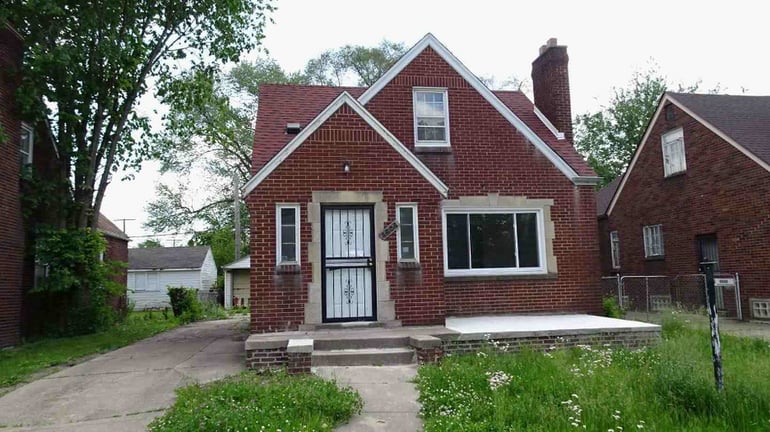
- Buy. You purchase a property that needs work, ideally at a discount to what it could be worth.
- Rehab. You renovate it to raise both its value and its rentability.
- Rent. You place a tenant and establish steady rental income.
- Refinance. You replace your short-term loan with a long-term loan based on the property's new, higher value.
- Repeat. You take the cash you recovered and start over with the next property.
What separates BRRRR from a traditional flip is the exit. A flipper sells and takes a profit. A BRRRR investor keeps the property, keeps the rent, and hopes to keep most of the original capital to reuse.
How Does the BRRRR Strategy Work Step by Step?
Each step sets up the next one, so a mistake early on carries through the whole deal. Here's the sequence.
1. Buy with the numbers in mind. Your purchase price, your rehab budget, and the value you expect after repairs (the after-repair value, or ARV) determine whether the deal works at all. Many investors use rule-of-thumb formulas like the 70% rule to check that the price leaves enough room for repairs and profit. Treat those formulas as a starting filter, not a guarantee.
2. Rehab with the renter and the appraiser in mind. Focus on repairs that raise value and help the property rent: kitchens, baths, flooring, systems, and curb appeal. A tight scope and a realistic budget matter more than a fancy finish.
3. Rent it out. A tenant in place shows lenders the property earns real income. Set rent from comparable rentals, not from hope. Screening tenants carefully protects the income your refinance depends on.
4. Refinance. With the property renovated, rented, and reappraised, you replace the short-term loan with permanent financing. If the new loan is large enough, you get some or most of your cash back.
5. Repeat. You put that recovered cash into the next property and run the cycle again.
Timing threads through all five steps. Every month the property sits unfinished or vacant, you're paying to hold it, so a sound plan keeps the renovation and lease-up moving.
How Do You Finance a BRRRR Investment?
You usually need two kinds of financing: a short-term loan to buy and renovate, and a long-term loan to refinance into. Each has a different job.
Phase one: buying and rehabbing. Traditional mortgages often struggle here because these properties tend to be run-down and need work. That's why many investors turn to short-term, asset-based options. Hard money lenders for real estate evaluate the property and the plan rather than your personal income, which allows faster closings and funding for properties that banks might avoid. Investors searching for a BRRRR hard money lender typically want fast funding, coverage of both purchase and rehab, and a lender that understands the refinance is coming.
Phase two: the long-term refinance. Once the property is stabilized and rented, you move into permanent financing. DSCR loans qualify the property on its rental income. Conventional loans review your personal income and debt.
Here's how the two phases compare:
|
Short-term loan (buy and rehab) |
Long-term loan (refinance) |
|
|
Purpose |
Acquire and renovate |
Hold long-term |
|
Property condition |
Needs work |
Renovated and rented |
|
Qualifying basis |
Property value and plan |
Rental income or personal income |
|
Speed |
Fast |
Slower, more review |
|
Payments |
Often interest-only |
Predictable, ongoing |
When you compare lenders for the first phase, ask a few practical questions. Does the loan cover both purchase and repairs? How are rehab funds released? Are there fees for paying off early? Can you close in an LLC? Who will handle the refinance, and can you stay with the same lender?
How Does Refinancing Work in the BRRRR Strategy?
Refinancing replaces your short-term loan with a long-term loan sized on the property's new value or rental income. If everything goes to plan, the new loan pays off the old one and returns some of your cash.
The process usually looks like this:
- The property is renovated and rented. Lenders want proof of stabilization, typically a signed lease and consistent rent.
- The lender orders an appraisal. The appraised value drives how much you can borrow.
- The lender applies its limits. Most permanent loans lend only a percentage of value, so you rarely get every dollar back. Whatever equity remains stays in the property.
- The new loan pays off the old one. Any leftover proceeds come back to you.
- You start making long-term payments and keep collecting rent.
A few details can make or break this stage:
- Appraisal risk. If the property appraises below your projection, your refinance shrinks, and so does the cash you recover.
- Rental income. For a DSCR-style refinance, the rent must comfortably cover the new payment. Weak rent means a smaller loan.
- Seasoning rules. Some lenders expect you to own or rent the property for a period before they refinance. Ask about this early.
- Prepayment terms. Check whether your short-term loan penalizes early payoff, since you're planning to exit it.
Build a cushion into your plan. If the refinance returns less than you hoped, you should still be able to close it and keep the deal alive.
What Are the Benefits and Risks of the BRRRR Strategy?
BRRRR can build a portfolio faster than saving up for each down payment, but it carries real risks because you're renovating, renting, and refinancing on a timeline.
Benefits
- Capital recycling. You can reuse the same money across multiple properties.
- Equity creation. Smart renovations can push the value well above your total cost.
- Long-term cash flow. You keep the property and collect rent.
- Scalability. Each successful cycle funds the next.
Risks
- Rehab overruns. Surprises behind walls can blow your budget and schedule.
- Appraisal shortfalls. A lower valuation can leave cash trapped in the deal.
- Rent that misses the mark. Lower rent shrinks your refinance and your monthly profit.
- Holding costs. Delays add interest, insurance, and taxes while the property earns nothing.
- Refinance risk. If you can't refinance on time, you may be stuck with an expensive short-term loan coming due.
- Market shifts. Rate changes or softer local demand can affect values and rents.
Most of these risks shrink with conservative estimates, a contingency budget, and an exit plan that still works if the numbers come in a bit worse than expected.
How InstaLend Can Help Finance a BRRRR Investment
We built our loan programs around the way investors actually work. All of our loans are asset-based, which means we approve based on the property, not your W-2s or tax returns. If you're weighing private lenders for real estate investors, that difference alone can change how fast you move.
Here's how our products map to the BRRRR stages:
- Buy and rehab. Our fix and flip loans cover up to 90% of the purchase price and 100% of rehab costs, with closings in 10 to 14 days.
- Rent and refinance. Our single family rental loans offer DSCR-based, 30-year financing for buy-and-hold investors. You qualify on the property's rental income, and you can close in an LLC.
A few things apply across our loans: same-day loan commitments after you submit your deal, closings that typically happen within 7 to 14 business days of receiving the appraisal, and no upfront application fees. We don't charge prepayment penalties on fix and flip and construction loans, so paying off early won't cost you extra there.
Among real estate investment lenders, we focus on speed and simplicity. You share your deal details, and we review the asset. You won't be asked for income documents at that first step.
We lend in 46 states, though not in North Dakota, South Dakota, Arizona, California, or Utah.
Ready to plan your next BRRRR deal?
FAQs
What does BRRRR stand for?
It stands for Buy, Rehab, Rent, Refinance, Repeat. You buy a property that needs work, renovate it, rent it, refinance into a long-term loan, and reuse your capital on the next deal.
How do you finance a BRRRR deal?
Most investors use a short-term, asset-based loan to buy and renovate, then refinance into a long-term loan such as a DSCR loan once the property is renovated and rented.
Do you get all your money back in a BRRRR refinance?
Not always. Lenders lend a percentage of the appraised value, so some equity usually stays in the property. Strong appraisals and disciplined budgets improve your odds of recovering most of your cash.
What are the biggest risks of the BRRRR strategy?
The main risks are rehab overruns, low appraisals, lower-than-expected rent, and delays that stretch your holding costs or make the refinance harder.
Is BRRRR good for beginners?
It can work, but it has more moving parts than a simple rental purchase. New investors often start with conservative numbers, a reliable contractor, and a lender that understands the strategy.